
Our Consultency
Your success is Our business.
With StartPoint, you can trust that you're getting a reliable and effective business solution that will help you achieve financial freedom.
INTERVIEWS





About Our Company
Professional And
Dedicated Consulting
At StartPoint, we're dedicated to providing top-notch solutions to help your business thrive. Our team of experts is passionate about delivering results that exceed your expectations, and we're committed to working closely with you to achieve your goals. Whether you're looking to increase your online presence, streamline your operations, or enhance your customer experience, we have the knowledge and expertise to make it happen. Trust us to be your partners in success, and let's build something great together!
Innovative
Reliable
Innovative
TURN KEY
MARKETING SYSTEM
Revolutionize your business with our cutting-edge turnkey marketing system! Unlock unparalleled success as our system seamlessly integrates proven funnel systems, automates fulfillment processes, and guarantees consistent customer communication. Say goodbye to worries about human errors or unreliable staff—our integrated AI takes care of sales and customer service effortlessly. Enjoy 100% accuracy every time, without the need for additional employees. Elevate your business, enhance the customer experience, and embrace the future of hassle-free marketing—all done for you, completely turnkey!
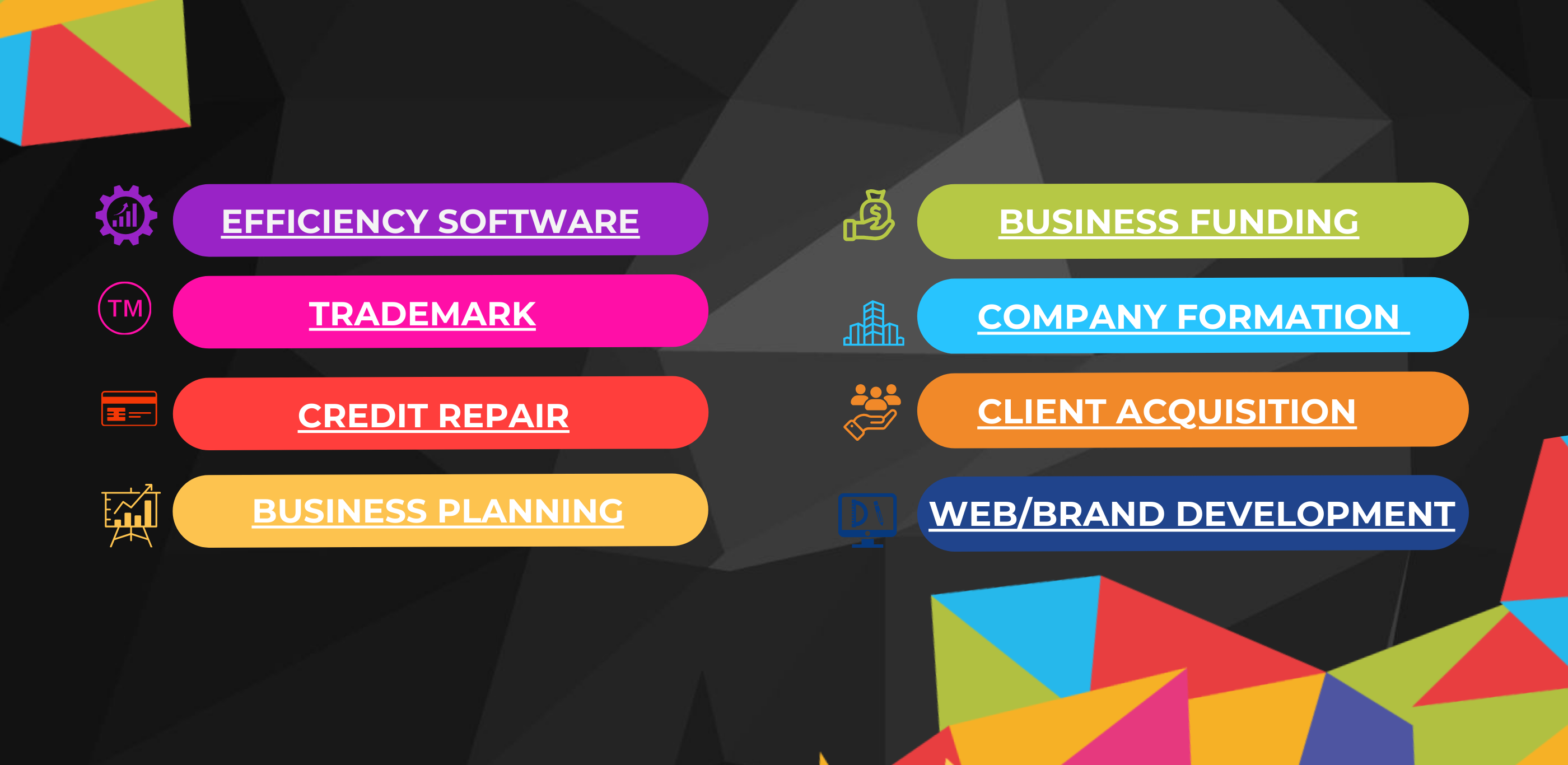
Choose your Service
Once you get one of our services we become your personal business consultant at no additional cost.
BUSINESS CREDIT BUILDING
FLEX PROGRAM
Business Website
Business Plan 5yr Projection
Business Banking Profile
Vendor accounts reporting on Dunns Number
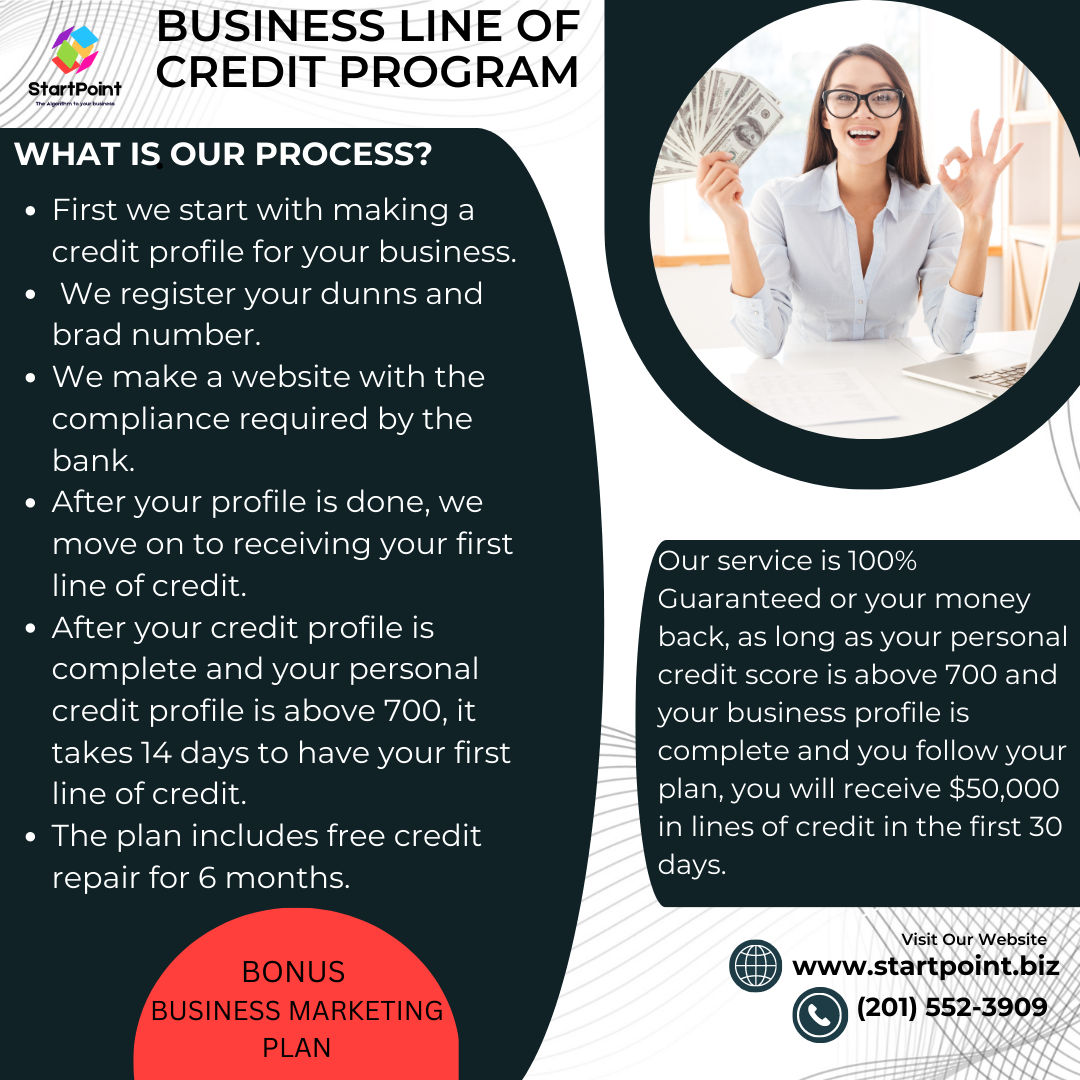
$50,000 in Business Lines of Credit
Personal Business Consultant
Free Credit Repair 1 year
BUSINESS CREDIT BUILDING
PLUS PROGRAM
Business Website
Business Plan 5yr Projection
Business Banking Profile
Vendor accounts reporting on Dunns Number
$100,000 in Business Lines of Credit
Personal Business Consultant
Free Credit Repair 1 year
BUSINESS CREDIT BUILDING
PREMIERE PROGRAM
Business Website
Business Plan 5yr Projection
Business Banking Profile
Vendor accounts reporting on Dunns Number
$150,000 in Business Lines of Credit
Personal Business Consultant
Free Credit Repair 1 year
LLC or CORP FORMATION
Our Service is Guaranteed, Our Policy is Transparency, Funding Takes Place 30 days After Business Credit Profile is in Banking Compliance.

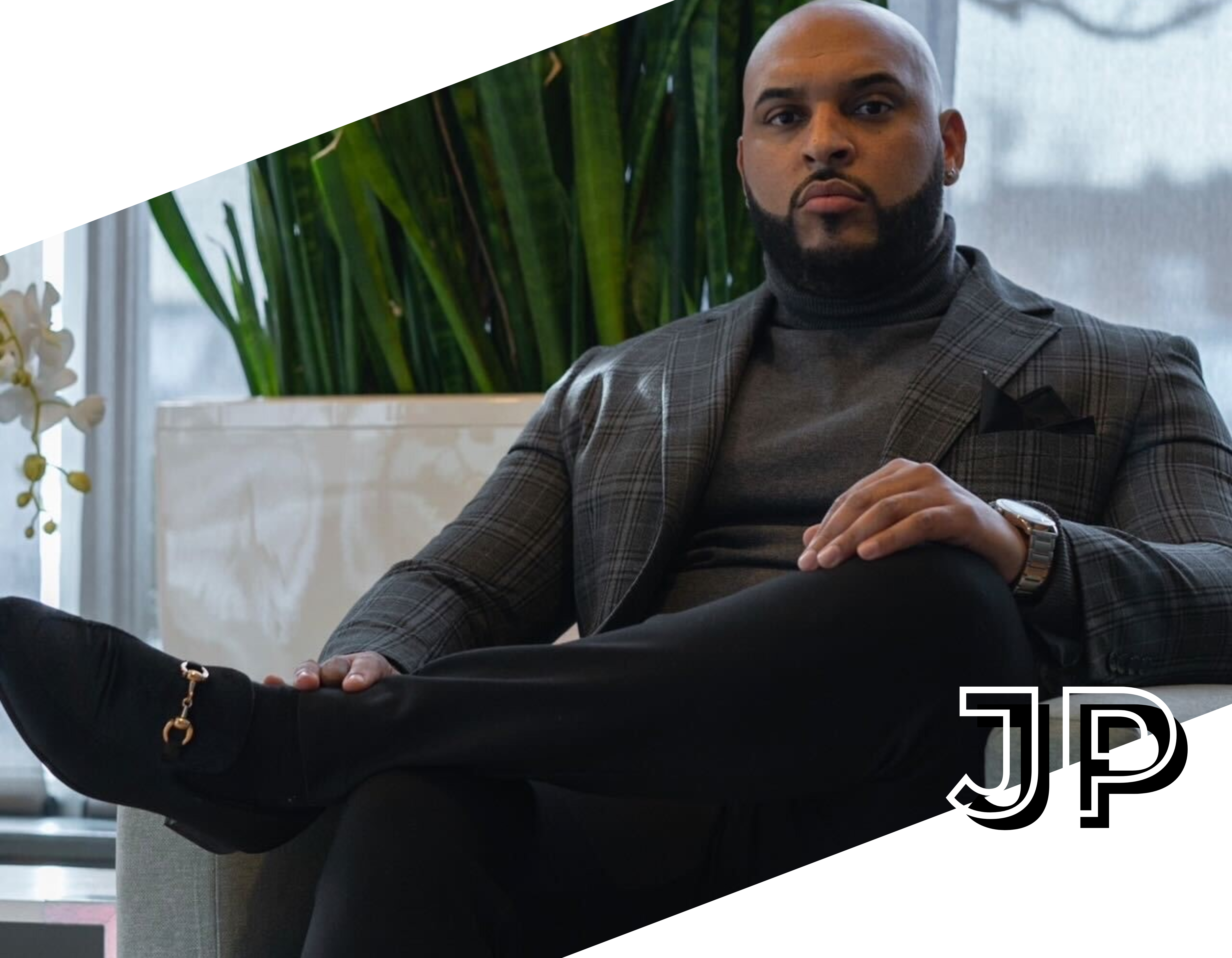
Our Team
Jp- Ceo and Founder
Fernando Orlin
Onboarding Executive
Carlos Hinojosa
Sales Assistant
Santiago Iturbide
Business Consultant
Testimonial
What our client say

Oscar T
New York, NY
I was optimistic but 2 weeks into my turn key solution i have generated $2,800!
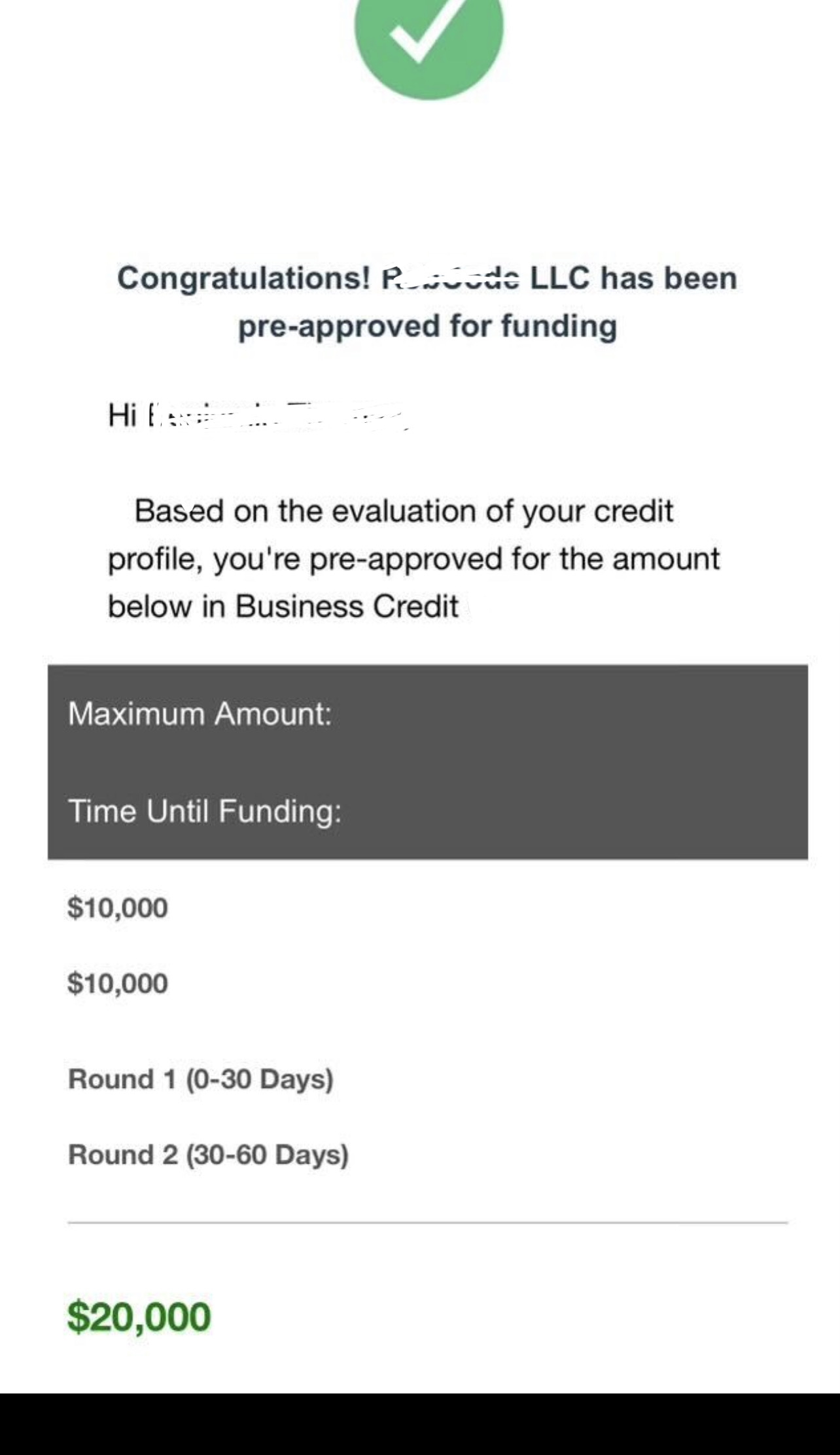
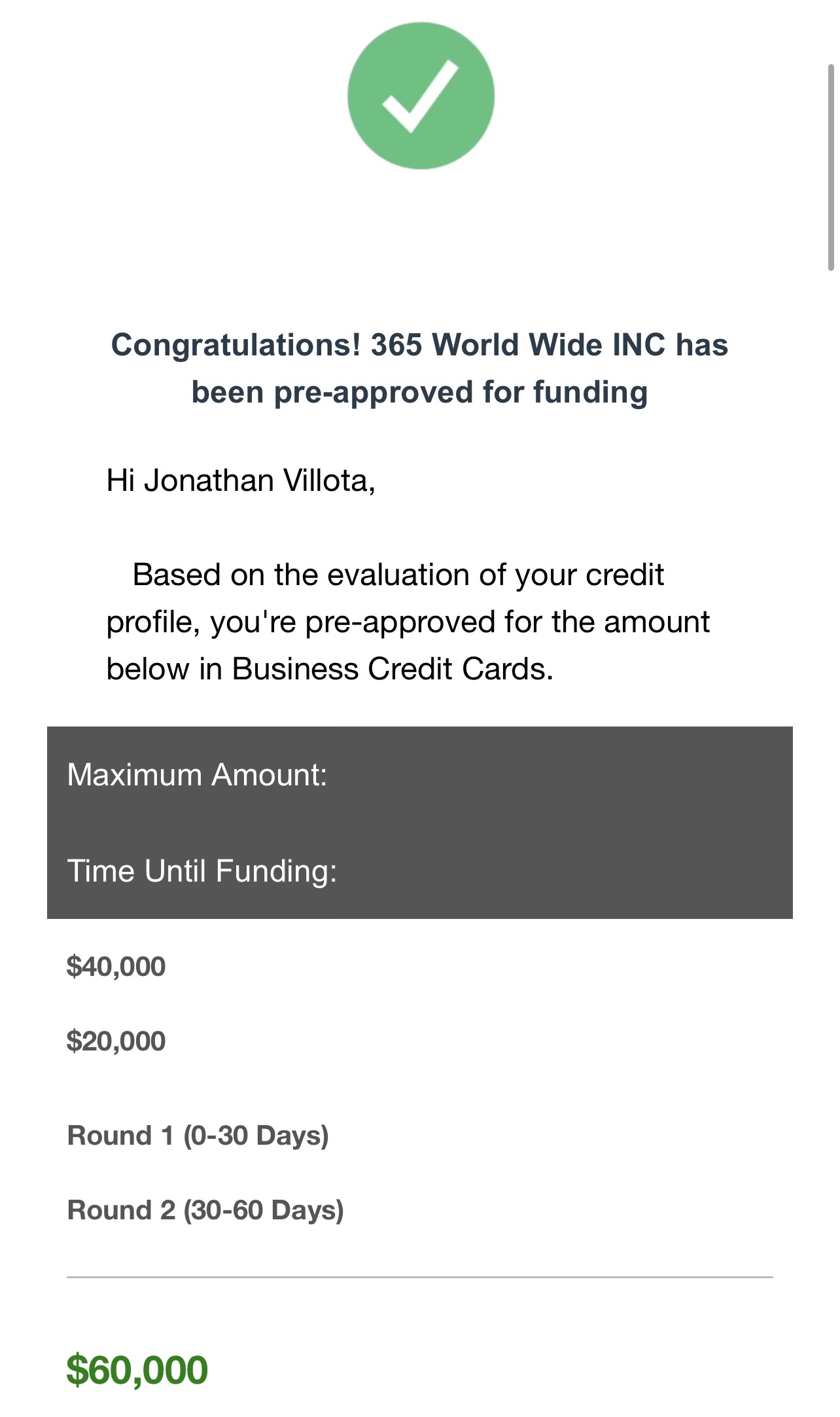
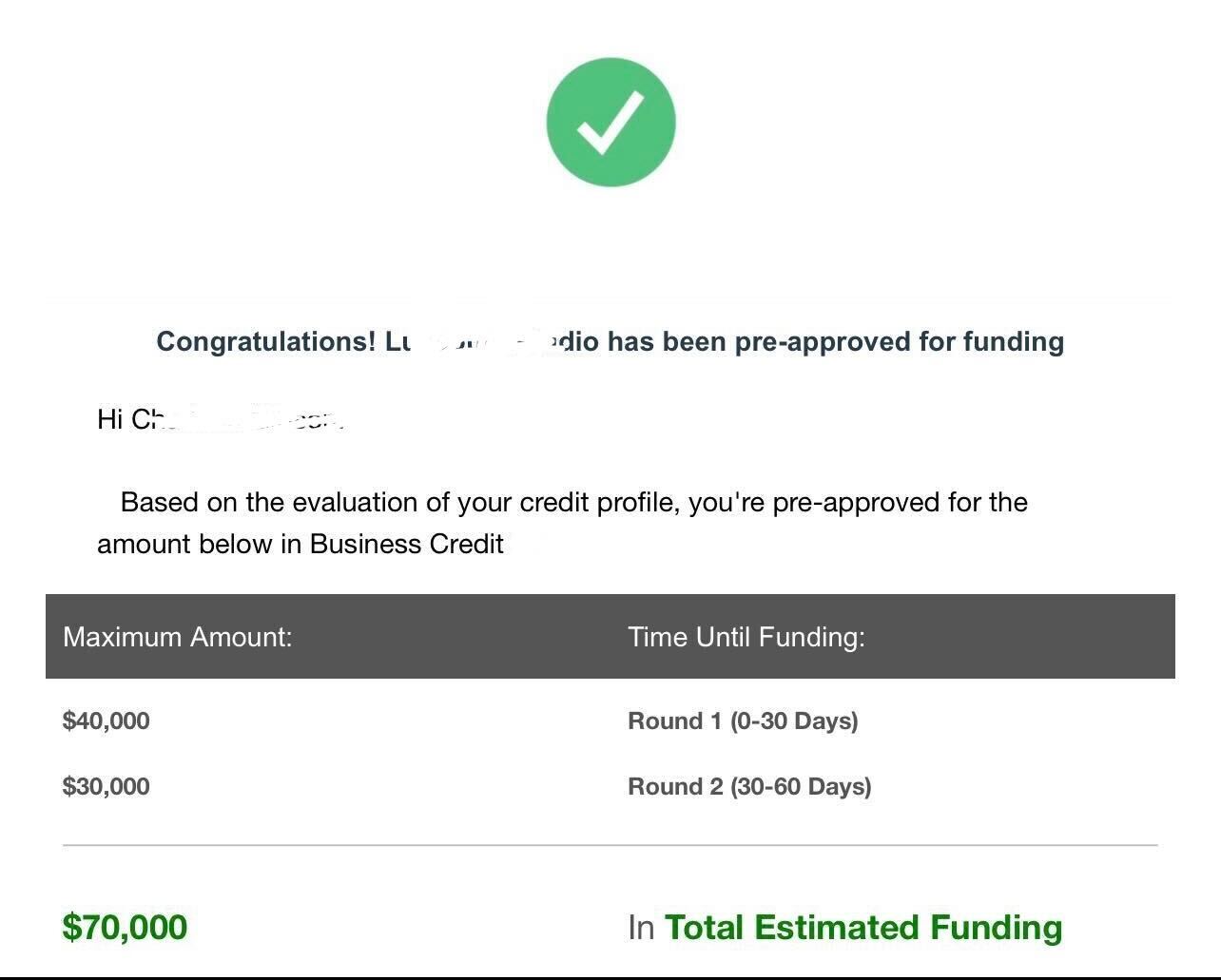
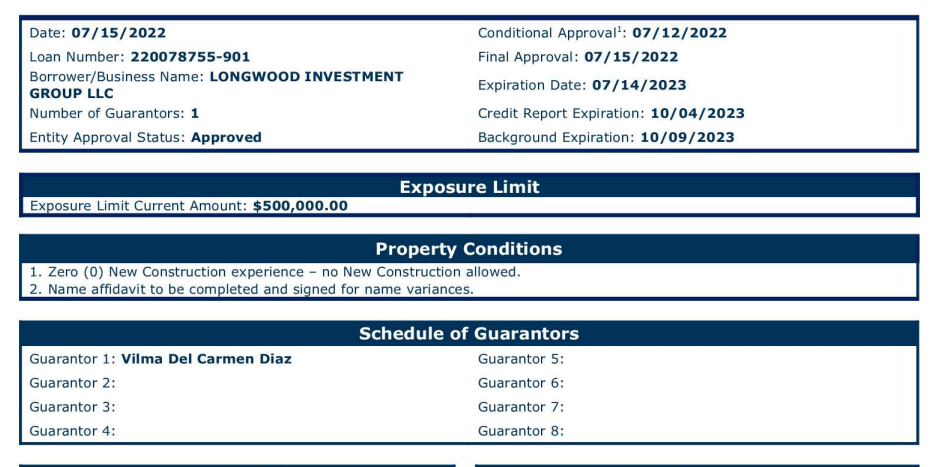
CLIENT BUSINESS LINES OF CREDIT APPROVALS
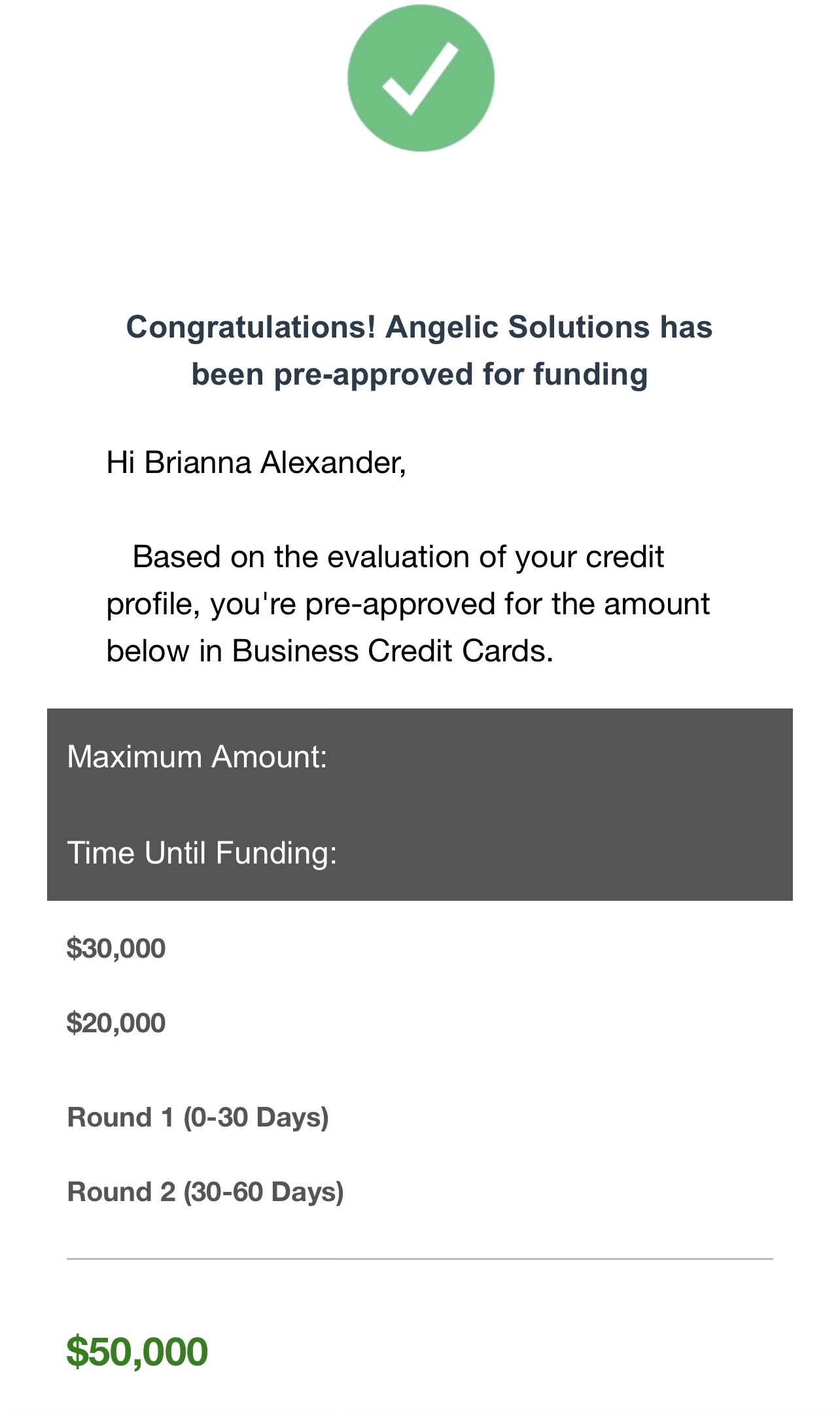
Client Testimonials
MORE
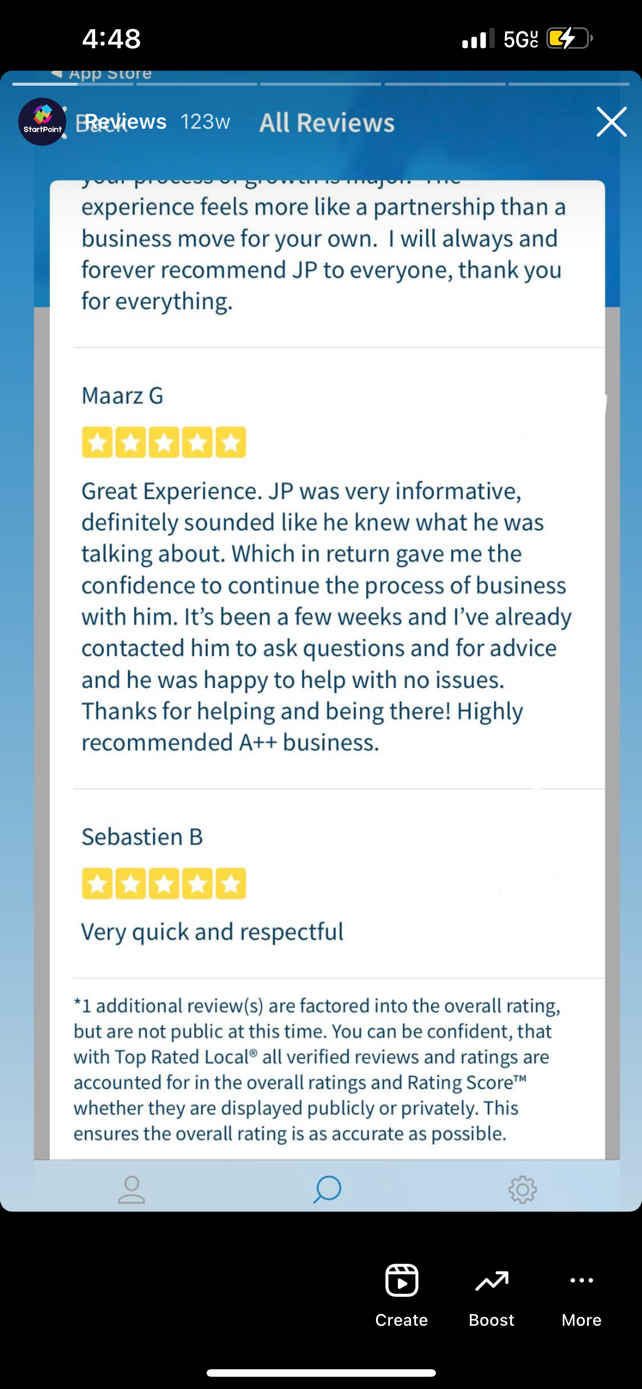
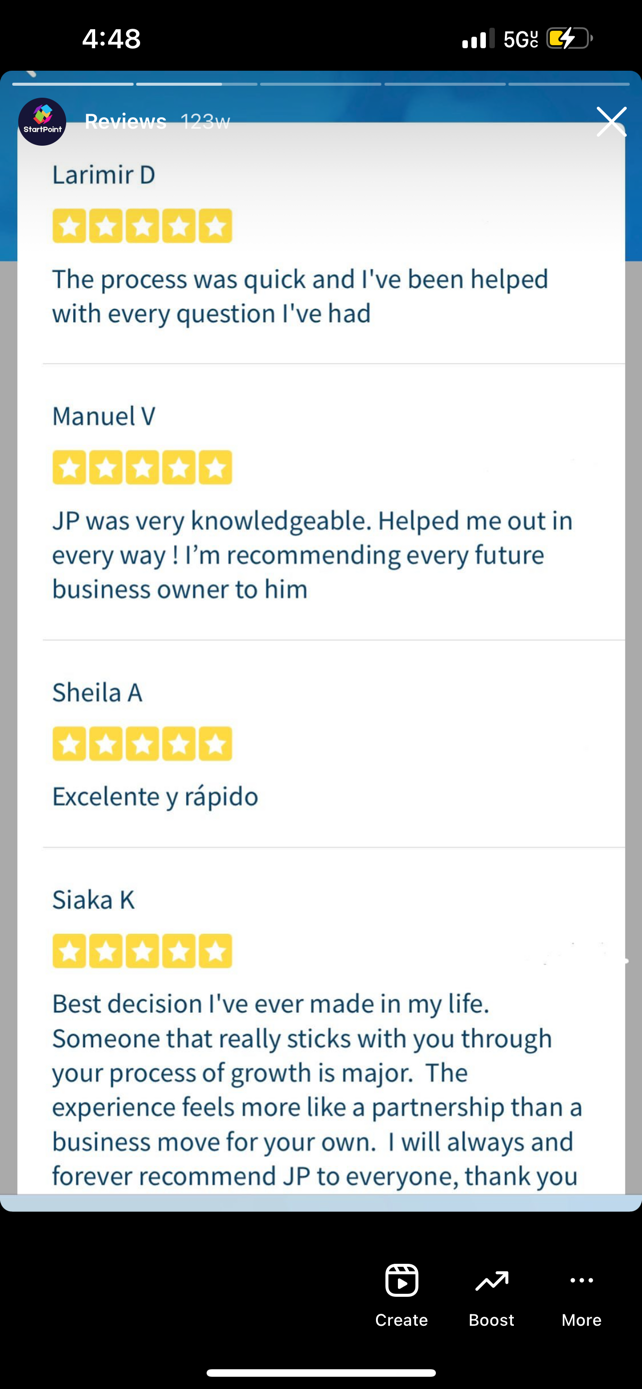
Some our Clients...






Post Address and Mail
Email: support@startpoint.biz
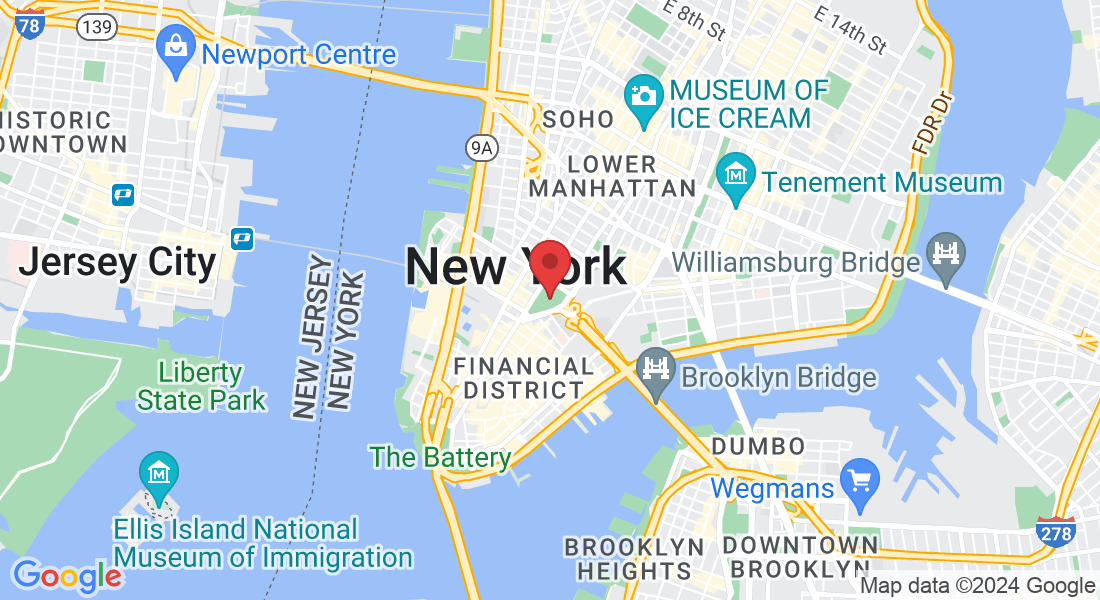
Address
Office: 3 adp blvd ROseland NJ
Get In Touch
Assistance Hours
Mon – Fri 10:00am – 6:00pm
Sat-Sunday – CLOSED
Phone Number:
(201) 340-9010
Call
201-340-9010
Email:support@startpoint.biz
Facebook
Instagram
X
Youtube
TikTok